Last Updated on July 3, 2026 by Staff
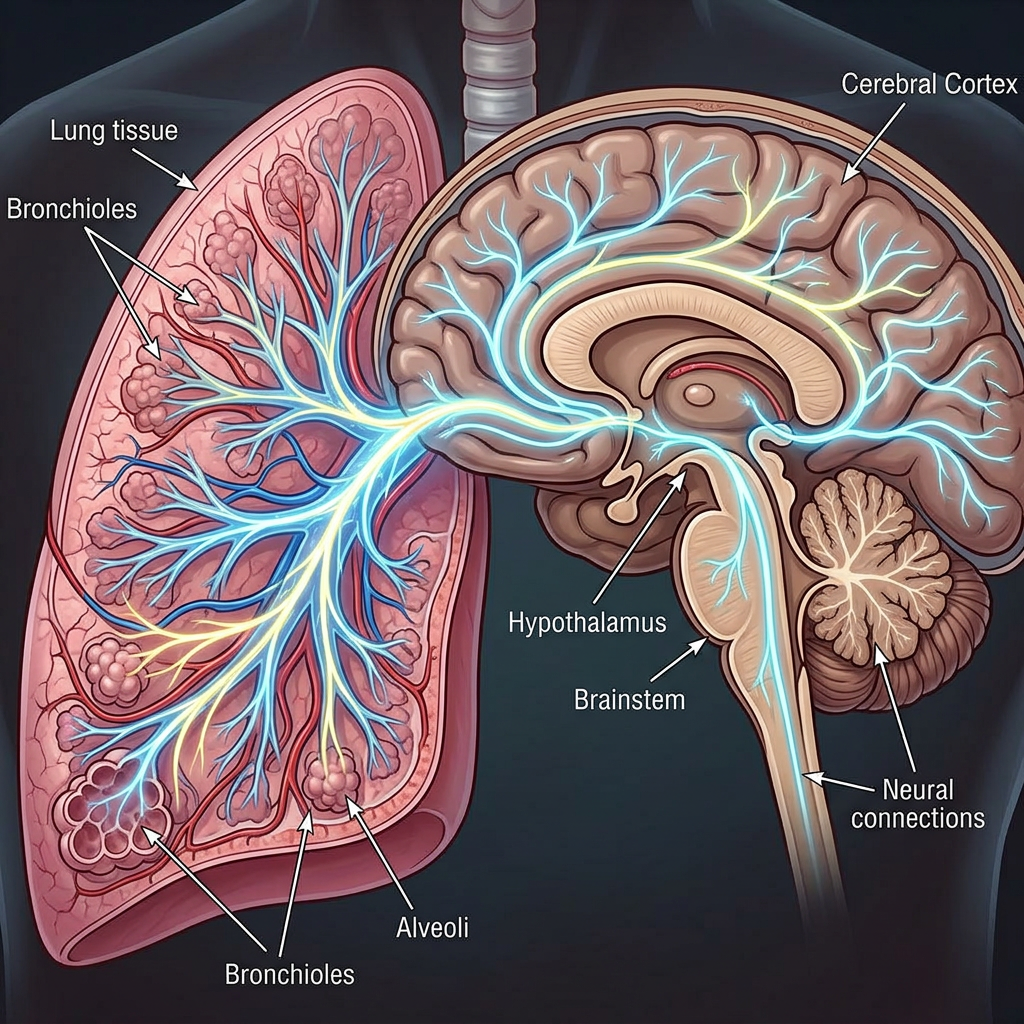
Scientists have found out how some lung cancers cause a serious problem called cachexia. This is when cancer patients lose a lot of weight including muscle and fat even if they are eating. The scientists discovered that some lung tumors talk directly to the brain through nerves in the lungs. This causes weight loss. This discovery could lead to treatments that help cancer patients live longer and feel better.
The scientists, from New York University did a study that was published in Science. They found that if they blocked the communication between the tumor and the brain or reduced the amount of a molecule called prostaglandin E2 the weight loss was significantly reduced. They also found that changing the patients diet could help stop this communication. This could lead to ways to care for cancer patients.
What Is Cachexia?
Cachexia is a serious condition that affects many people with chronic illnesses, especially cancer. It is different from weight loss because it causes the body to lose muscle and fat very quickly even if the patient is eating.
According to doctors cachexia is responsible for one quarter of all cancer deaths. It makes patients weak and unable to tolerate treatments like chemotherapy and surgery.
Cachexia usually starts when the body needs energy to fight the disease. The patient’s appetite decreases, their metabolism changes and their body starts to break down its muscles and fat for energy. Until now scientists thought this was mainly caused by the system.
Lung Tumors Send Signals to the Brain
The new study shows that some lung tumors talk directly to the system. The scientists created a model where lung tumors grew in the lungs not in a lab. They found that one type of lung cancer caused cachexia.
The scientists discovered that these tumors talk to nerves in the lungs which send signals to the brain. This allows the tumors to control the patients appetite, metabolism and weight.
When the scientists blocked these nerves the weight loss was greatly reduced. This shows that the communication between the lungs and the brain is very important.
Hope for New Treatments
The discovery of how lung tumors cause cachexia is a breakthrough. It could lead to treatments that improve the lives of cancer patients.
The scientists plan to study the nerves and brain circuits involved in this communication. This could also help explain symptoms that cancer patients experience, like depression and fatigue.
The study also suggests that medicines like aspirin and ibuprofen combined with changes could help reduce cachexia in some patients. This is a direction for cancer research and it could lead to better treatments and improved survival rates, for cancer patients.
The Role of Prostaglandin E2
The scientists wanted to know what message the tumors were sending to the brain. They found that it was a molecule called prostaglandin E2. This molecule is already known to cause fever and inflammation.
The tumors that caused cachexia produced a lot of prostaglandin E2. When the scientists stopped the tumors from producing this molecule, cachexia did not occur. The same thing happened when the scientists gave the patients -inflammatory medicines like aspirin and ibuprofen.
This shows that prostaglandin E2 is a kind of messenger that allows the tumors to talk to the system and the brain. Stopping this message could be a way to prevent cachexia.
Diet Matters
The study also found that diet plays a role in cachexia. At first the scientists thought that a fat high-calorie diet would help prevent weight loss. It actually made things worse.
The scientists found that prostaglandin E2 is made from a type of fat called omega-6 fatty acids. These fats are found in animal products. When the patients ate a diet in these fats the tumors produced more prostaglandin E2.
When the scientists replaced these fats with omega-3 fatty acids the production of prostaglandin E2 decreased. This stopped the tumors from talking to the system and prevented cachexia.
This finding suggests that changing the patient’s diet could be a way to prevent cachexia.