Last Updated on March 29, 2026 by Sanjana Kahol
Walk into a grocery store and the word “organic” almost shines at you. It promises something pure. Something safe and better.
It feels like the obvious choice. But is it actually better, or just better marketed?
Most people imagine organic food as clean and free from chemicals. That idea sounds simple, but reality is not that neat. Food is science. And science rarely deals in extremes.
What “organic” really means
People often look at organic food and instantly think of something pure, clean, and almost untouched by anything artificial. It feels safer, almost like a better version of regular food. That idea sounds comforting, but it is not completely true.
Every single thing you eat is made of chemicals. That apple, that bowl of rice, even a glass of milk, all contain chemical compounds. Proteins, fats, carbohydrates, vitamins, minerals, all of these are chemicals that your body actually needs to survive. So the real issue is not about avoiding chemicals, because that is impossible. What really matters is understanding which chemicals are safe and how they are used in food production.
When you compare organic and conventional food, the gap is not as wide as it seems at first glance. Organic farming does follow strict rules, and those rules do change how food is grown. Farmers avoid synthetic pesticides, artificial fertilizers, and genetically modified organisms. Instead, they rely on methods like crop rotation, compost, and natural pest control to manage their fields.
It sounds more natural, and in many ways, it is. But here is where things get interesting. Organic farming still uses chemicals. Not fewer chemicals in every case, not zero chemicals, just different ones. Organic farms use substances that come from natural sources, while conventional farms use chemicals developed in labs.
So when someone says organic food is chemical free, that is simply not true. The difference is not about chemicals versus no chemicals. It is about the origin of those chemicals and how farmers choose to use them.
Are organic foods actually more nutritious?
People often say organic food has more nutrients. It feels logical. If something is more natural, it must be healthier, right? Not quite.
Research shows only small differences. Some organic foods may have slightly higher antioxidant levels. These antioxidants help protect the body. Sounds impressive, but the gap is not big enough to change your health in a major way.
Both organic and conventional foods give you vitamins, minerals, proteins, and fats. Your body uses them the same way. It does not check labels before absorbing nutrients.
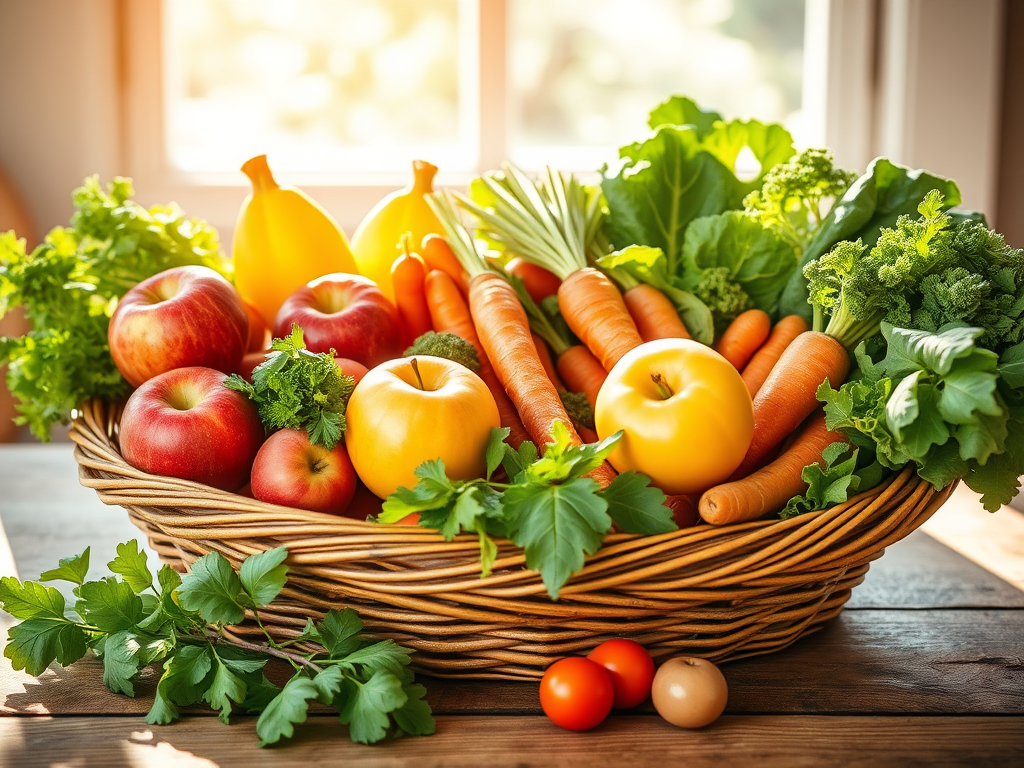
What really matters is what your plate looks like overall. A colorful mix of fruits and vegetables. Whole grains. Enough protein. Fresh food instead of stale or over processed items. These factors matter far more than whether your apple is organic or not. Variety beats labels every time.
Pesticides and the fear factor
Let’s talk about the big concern. Pesticides. This is where most of the fear comes from.
Conventional farming uses synthetic pesticides to protect crops. Organic farming also uses pesticides, but these come from natural sources. Many people assume natural means safe and synthetic means dangerous. But it is not that simple.
Studies show organic food usually has lower pesticide residues. That part is true. But here is what often gets ignored. The pesticide levels in conventional food are already kept within safe limits by food safety authorities. These limits are carefully tested.
So, the actual risk to health is low.
And here is something practical. Washing fruits and vegetables under water removes a good amount of residue. Such a simple step, yet very effective. You do not need expensive solutions or special products. Just water and a little effort.
Organic vs conventional: what really differs
So where do these two actually differ?
The biggest difference lies in how food is grown. Organic farming focuses on natural cycles and soil health. Conventional farming focuses on efficiency and higher production. Both systems have their own goals.
Some people choose organic food to support the environment. Organic farms can improve soil quality and reduce certain types of pollution. That is a valid reason. But from a nutrition point of view, the difference is not dramatic.
Your body does not treat organic rice differently from conventional rice. Nutrients are nutrients.
This is where perspective matters. Food is not good or bad just because of a label. It is the bigger picture that counts.
What should you really focus on
Now comes the real question. What should you care about?
Not just organic labels. Not just trends. Focus on your habits.
Eat a mix of foods. Keep meals balanced. Choose fresh produce whenever possible. Do not depend too much on packaged food. These simple choices build strong health over time.
Consistency beats perfection. One organic meal will not fix everything. One non organic meal will not harm you either. It is what you do daily that shapes your health.
Organic food can be a part of your diet. So can conventional food. There is no need to pick sides like it is a competition.
Final takeaway
Organic food still contains chemicals because everything we eat is made of chemical compounds, and conventional food is not harmful when it meets safety standards. Both types of food can support a healthy diet when you include them in the right way.
Rather than focusing too much on labels, it makes more sense to look at your overall meals. A plate with different food groups, good variety, and proper balance does far more for your body than choosing only one type of food.
Health builds over time through everyday habits. One single choice will not define your health, but repeated patterns in what you eat will shape how your body feels and functions.