Last Updated on July 19, 2026 by Staff
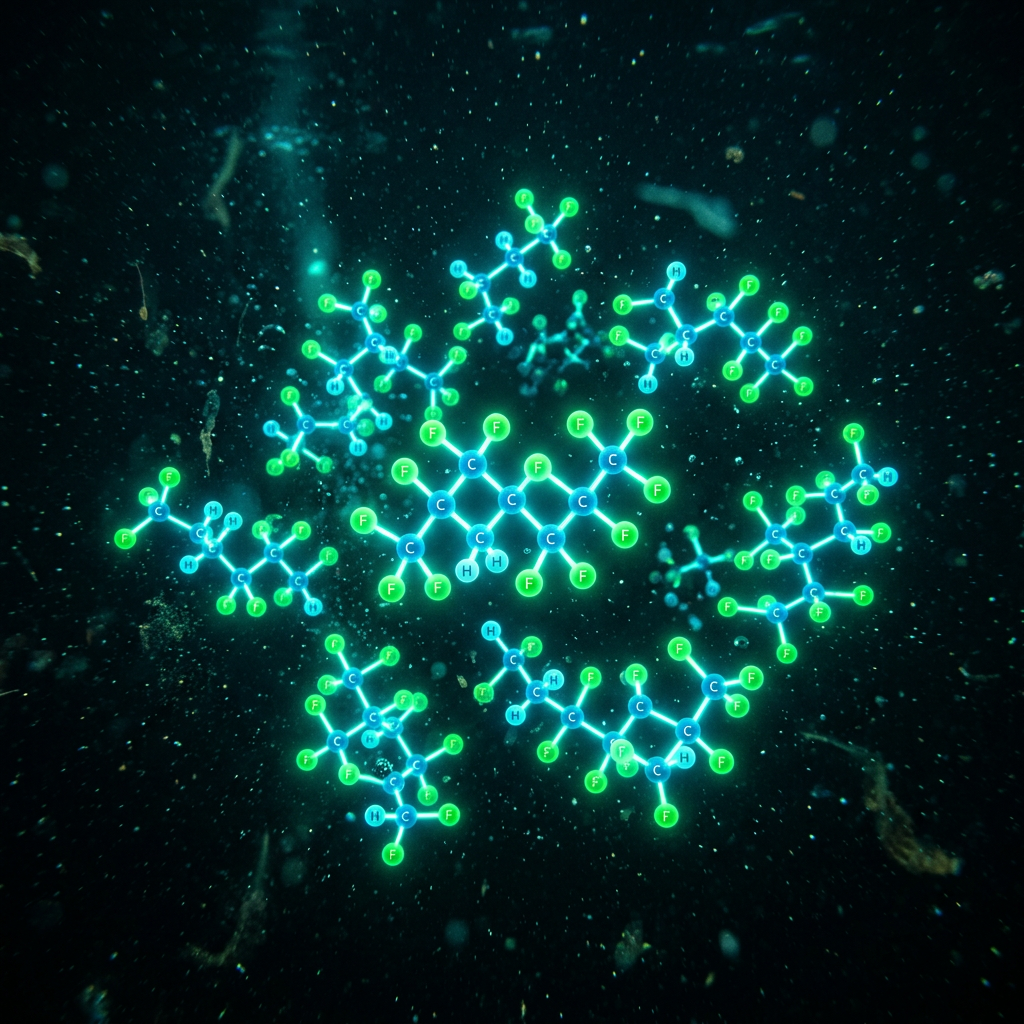
Per- and polyfluoroalkyl substances called “forever chemicals,” are really bad for the Earth. These chemicals are used in things like -stick cookware, waterproof clothing and food packaging because they can withstand heat, water and oil.. The same things that make them useful also make them very hard to get rid of once they are in the environment.
Scientists in Germany have found two ways to break down these chemicals. They think that one day these methods can help reduce the amount of “chemicals” that get into rivers and drinking water.
Why “Forever Chemicals” Are Bad
“Forever chemicals” are made up of different chemicals that are connected by very strong bonds. These bonds make them very hard to break down so they can stay in the soil, water and living things for a long time.
Because they build up over time “chemicals” have become a big problem for the environment. Some of these chemicals have been linked to health problems, like cancer and immune system disorders. We do not know what the long-term effects of many “forever chemicals” are, because they have not been studied enough.
Recently scientists found levels of “forever chemicals” in a river in Germany. This shows that we need to find ways to remove these chemicals from wastewater before they get into the environment.
Cavitation Method
One of the methods is called hydrodynamic cavitation. This method uses water that has “chemicals” in it and forces it through a small opening. This creates tiny bubbles. The “chemicals” collect on the surface of these bubbles.
When the bubbles move into an area with pressure they collapse. This collapse creates high temperatures, which helps to break the strong bonds that hold the “forever chemicals” together.
At the time the collapsing bubbles create reactive molecules that attack the “forever chemicals” and help to break them down. Scientists were able to break down about 37% of one type of “ chemical” using this method.
Plasma Technology
The other method uses cold atmospheric plasma. This method does not need any chemicals or catalysts. It works by creating plasma above the water surface and injecting gas bubbles into the water.
The “chemicals” attach to the bubbles and are carried to the plasma, where they are broken down. This method was more effective than the cavitation method. Scientists were able to break down all of the “forever chemicals” using this method.
Combining Both Methods
Scientists think that combining the two methods could be the way to break down “forever chemicals”. They are working on scaling up the methods so they can be used to treat amounts of water.
If they are successful these methods could be used to treat wastewater and prevent “ chemicals” from getting into the environment. This could help to protect drinking water and make the environment healthier.
Future Outlook
Getting rid of “chemicals” is a big challenge. The new methods developed in Germany offer some hope. They could be used to clean up contaminated water and reduce the amount of “ chemicals” that gets into the environment.
If these methods are successful they could help to make the environment healthier and protect drinking water. This is especially important as governments start to regulate “chemicals” more tightly.