Last Updated on June 20, 2026 by Staff
Today clean drinking water is hard to find for many people. The World Health Organization says one in four people worldwide do not have access to safe drinking water. This problem gets even worse during disasters like floods, earthquakes and hurricanes when water systems are damaged and clean water is scarce.
Traditional water purification systems can be costly, need electricity or use chemicals that’re not always available in remote areas. Because of these limitations scientists keep looking for portable solutions that can provide safe drinking water anywhere. A research team in South Korea thinks they may have found a solution with a self-powered water purification capsule that can test and disinfect water without needing electricity or chemicals.
Smart Capsule
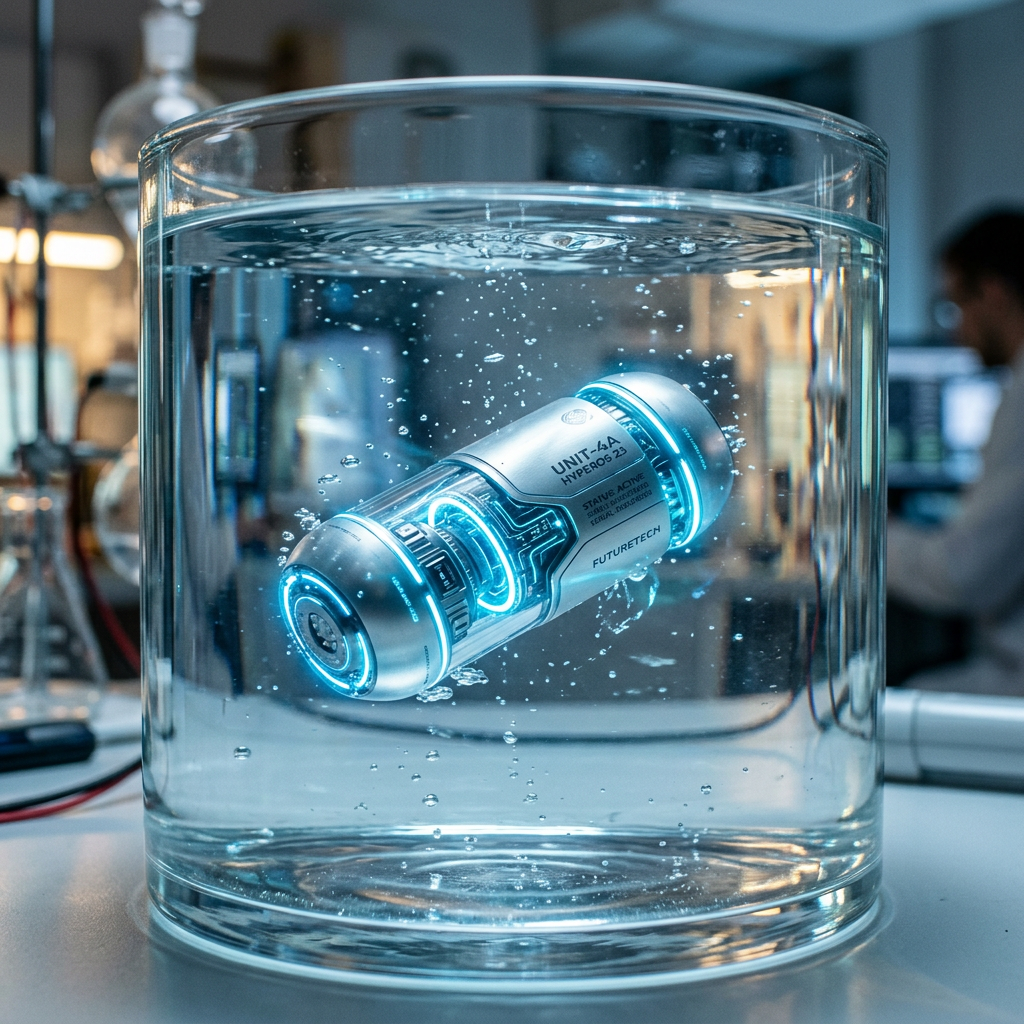
The new device is called the Floating-Induced Detection-Guided Disinfection (FDGD) capsule. It looks like a floating plastic pod that sits on the water’s surface.
Using the device is easy. You just shake the capsule for a second. This motion moves a magnet through an internal coil, generating electricity. The electricity powers a built-in sensor that immediately checks the water and sends the results to a smartphone or smartwatch.
This feature lets users quickly see if the water is safe enough to treat. Since the capsule makes its power it can work even in areas without electricity making it especially useful during emergencies and in remote locations.
Water Testing
One of the capsules’ important features is its ability to check water quality. The built-in sensor measures Total Dissolved Solids (TDS) which represent the amount of dissolved minerals, salts and other substances in the water.
High TDS levels can mean contamination from sources like runoff, industrial waste or pollutants. These contaminants often release charged particles that increase water conductivity.
After collecting data the capsule instantly determines if the water is within a chemical range. This rapid assessment helps users understand the water’s condition before purification begins adding a layer of safety and reliability.
The FDGD capsule checks water quality by measuring TDS levels.
The capsule then uses this information to determine if the water is safe to drink.
Killing Germs
Once the water passes the evaluation the capsule starts the disinfection process. Unlike purification systems the FDGD capsule uses movement from waves or even the motion created while carrying water.
This movement generates electricity through a process called contact electrification. The electricity powers microscopic rods on the capsules surface. These rods create electrostatic forces that attack harmful microorganisms in the water.
The technology uses a method called electroporation. During this process the electric forces damage the membranes of bacteria and viruses making them inactive and unable to cause disease.
The FDGD capsule uses electroporation to kill germs in the water.
This process makes the water safe to drink.
Laboratory tests showed results. Researchers added quantities of common pathogens, including E. Coli bacteria and viruses into different water samples. The capsule successfully eliminated 99.9999% of microorganisms demonstrating a highly effective level of disinfection.
The FDGD capsule was tested with types of water including river water and tap water.
The results showed that the capsule can effectively disinfect water.
Future Potential
Researchers think the FDGD capsule could become a tool for improving global access to safe drinking water. Because it requires no electricity, batteries or chemicals the device could be especially valuable in developing countries, disaster zones and remote communities.
The team is now working to improve the technology and prepare it for use. Their goal is to create a solution that can be distributed on a large scale to people who need it most.
If successfully commercialized the capsule could help millions of people gain access to safer drinking water while reducing dependence on expensive treatment systems. This innovation shows how simple self-powered technologies can address one of humanity’s urgent challenges and potentially save countless lives around the world.
The FDGD capsule has the potential to make a difference in people’s lives.
It could provide drinking water to millions of people worldwide.