Last Updated on May 29, 2026 by Staff
Cigarettes or vapes have become really popular over the past decade especially among young adults and teenagers. Many modern disposable vapes are marketed as “puff” devices. They promise thousands of puffs before they run out. These products are designed for use and often last for days or even weeks.
However a new study led by researchers at the University of California Riverside has raised concerns about the safety of these devices. Scientists found out that used high-puff e-cigarettes may contain higher levels of bad chemicals compared to fresh unused devices.
The findings were published in the journal ACS Omega. They suggest that the chemicals inside vapes change as the devices get older and continue to be used.
Testing Used Devices
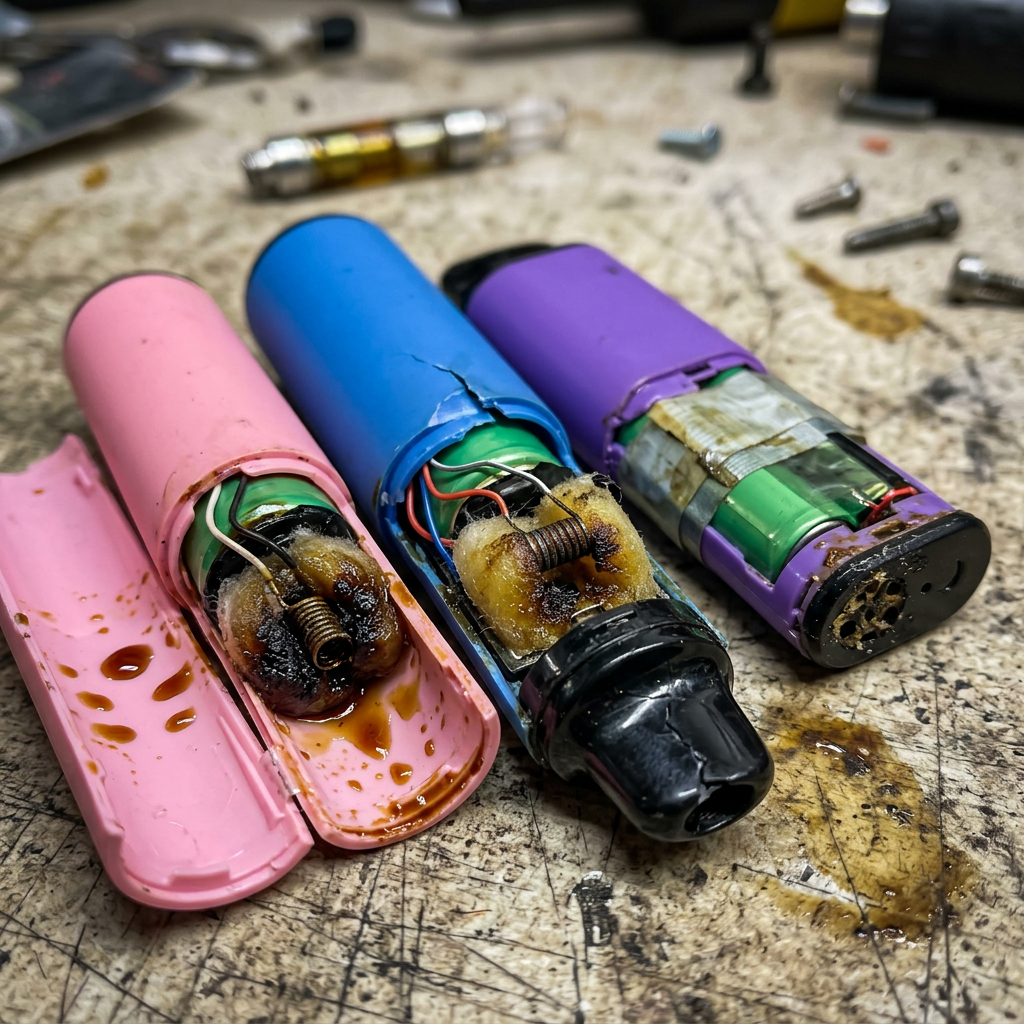
To understand how prolonged vaping affects chemical exposure researchers collected disposable vape products from users. They also got discarded devices from across Southern California.
The team then compared the leftover liquid from used vapes with fresh liquids from brand-new devices of the same flavor and brand.
Scientists focused on chemicals called aldehydes. These form when vape liquid is heated to create vapor. Heating causes the ingredients inside e-liquids to break down, producing bad by-products.
Several bad aldehydes were found to increase after repeated use of the devices. These included formaldehyde, methylglyoxal (MGO) and glyoxal (GO).
Researchers said some of these compounds reached levels. These levels are high enough to raise health concerns.
Harmful Chemicals Increase
The study found that the longer a vape device is used the bad compounds can build up in the remaining liquid. Formaldehyde is already known to cause cancer. MGO and GO are linked to inflammation, cell damage and stress.
To test the effects of these chemicals researchers exposed lung cells to MGO and acetaldehyde in lab experiments.
The results showed that MGO caused damage to lung cells. It disrupted cell structure and increased stress, a process linked to chronic disease and inflammation.
Scientists found that MGO was more toxic than acetaldehyde.
Researchers think people using vapes near the end of the device’s life may inhale higher levels of bad substances compared to those using newer devices.
Health Risks Grow
The study highlights growing concerns about the long-term health effects of vaping. This is especially true for disposable products designed for extremely high puff counts.
Researchers warned that consumers have information about how chemical exposure changes throughout a device’s life cycle.
Many users assume a vape remains safe from the puff to the last.. The study suggests the opposite may be true.
Professor Prue Talbot, one of the researchers, explained that heavily used devices showed a very different and much more toxic chemical profile than fresh e-liquids.
The team believes puff count should not just be a marketing feature. It should also be a health factor influencing chemical exposure.
Scientists say regulators should require manufacturers to test devices throughout their usage cycle.
Calls for Regulation
The researchers are now calling for safety regulations. They want awareness about the risks linked to prolonged vaping.
Until stricter standards are introduced scientists advise users to be cautious when using puff disposable vapes. This is especially true when devices are nearly empty.
The study also raises concerns about vape technologies entering the market before long-term health effects are fully understood.
Disposable vapes have become really popular among younger consumers. They are attracted by flavors, convenience and extended puff counts.
Researchers say future studies should examine how device design, heating cycles and chemical breakdown affect health over time.
As evidence grows scientists warn that vaping may not be as harmless as many people think. The latest findings suggest that repeated use of puff disposable e-cigarettes could expose users to increasing levels of bad chemicals. This could have consequences for lung health and overall well-being.