Last Updated on April 29, 2026 by Staff
A scientific discovery is changing how we understand coffee. Researchers found a way to measure coffee flavor using electricity. This gives a precise way to make sure every cup of coffee tastes the same.
Brewing challenge
Making coffee is harder than it seems. Small changes in brewing can affect the taste. Things like water temperature, grind size, bean quality and extraction time all change the flavor.
For cafes and baristas keeping the taste the same is a challenge. Customers want their favorite drink to taste the same every time. Achieving that requires careful adjustments and expertise.
New approach
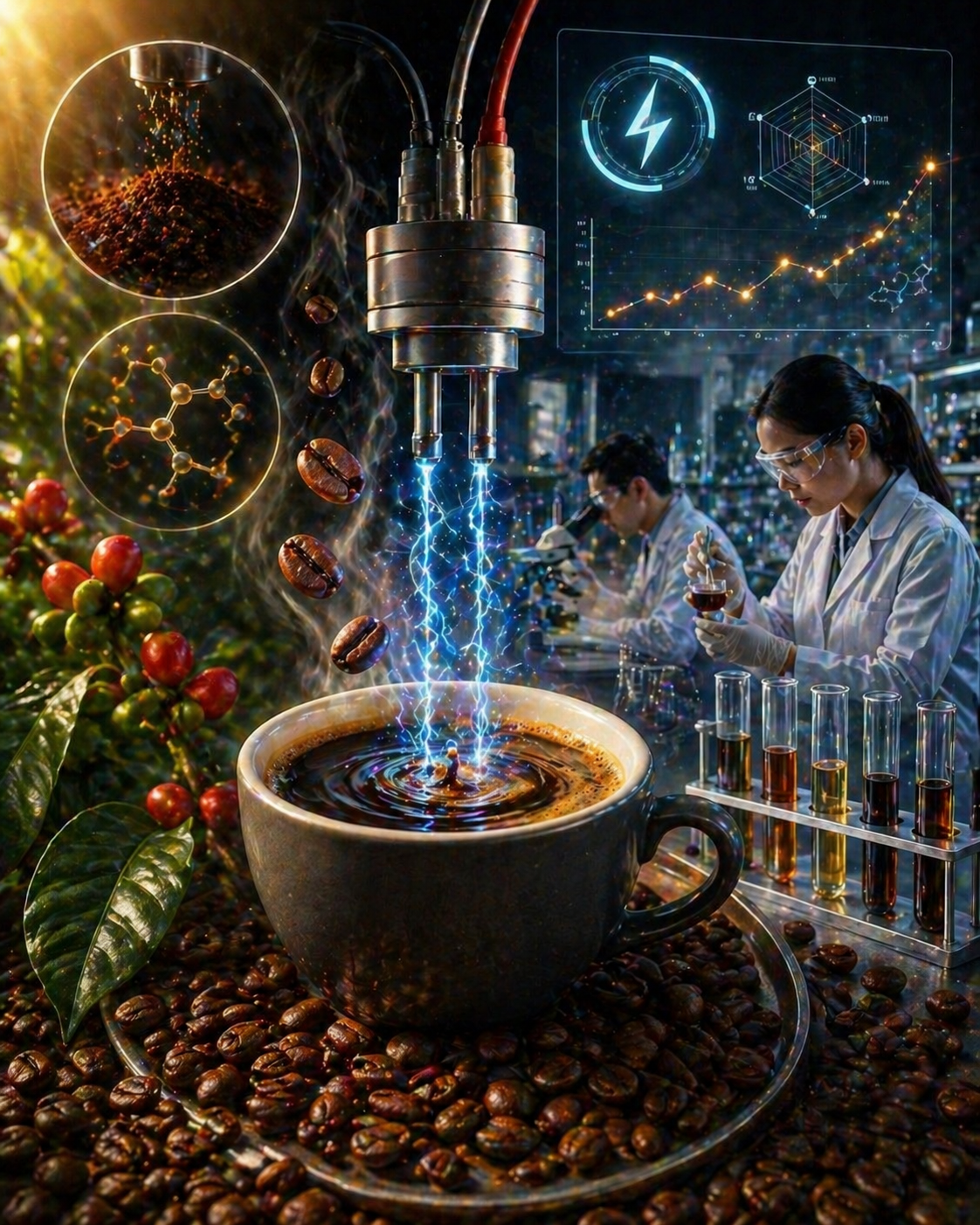
Scientists from the University of Oregon have a method. They use a tool to analyze coffee. By passing an electrical current through coffee they find a unique “chemical fingerprint” that shows its flavor profile. This gives a way to measure taste, which is hard in food science.
Beyond strength
The coffee industry usually measures flavor using a method called index. This looks at how light bends through a liquid giving an estimate of the coffee’s strength.
Strength alone does not define flavor. People perceive taste from a combination of strength and roast level, which create “roastiness.” The new electrical method captures these differences better giving a picture of the coffee’s characteristics.
The science tool
The device used is called a potentiostat. It is usually used in electrochemistry to test batteries and fuel cells. Because it is highly sensitive to chemical composition the potentiostat detects differences in coffee that are not visible or easily measurable.
Flavor fingerprint
Each type of coffee makes an electrochemical signature. These signatures help baristas and roasters replicate a desired flavor accurately.
Real-world test
Researchers tested their approach on coffee samples from a roaster. Although the samples looked the same, their method identified which one did not meet quality standards. This shows the potential of the technology as a quality control tool.
Not about perfection
The researchers say this technology is not about creating a better “cup of coffee”. Taste is subjective. Preferences vary. The goal is to achieve consistency.
Future possibilities
This breakthrough opens the door to understanding taste at a level. By linking composition with sensory experience scientists may better understand why people enjoy certain flavors.
A new standard
This electrochemical approach is a step forward. It bridges the gap between taste and objective measurement offering a practical solution to a long-standing problem.
Final sip
For coffee lovers measuring taste with electricity might sound unusual. It shows how science enhances everyday experiences. This innovation is about making sure every cup of coffee delivers what people expect and enjoy.