Last Updated on July 25, 2026 by Staff
Solar energy is one of the fastest growing sources of clean electricity in the world. Most solar panels we use today are made with silicon. Silicon solar cells are very good at turning sunlight into electricity. They are expensive to make and require a lot of energy to produce.
So scientists have been looking for materials that can do the same job as silicon but at a lower cost. One of the promising materials is perovskites. Perovskites are really good at absorbing sunlight and turning it into electricity.
Now researchers from Nanjing Tech University have found a way to make perovskite solar cells. This new method makes perovskite cells that are more efficient and better quality. Their findings were published in Nature Energy. Could help make perovskite solar cells available for commercial use.
Why Perovskites?
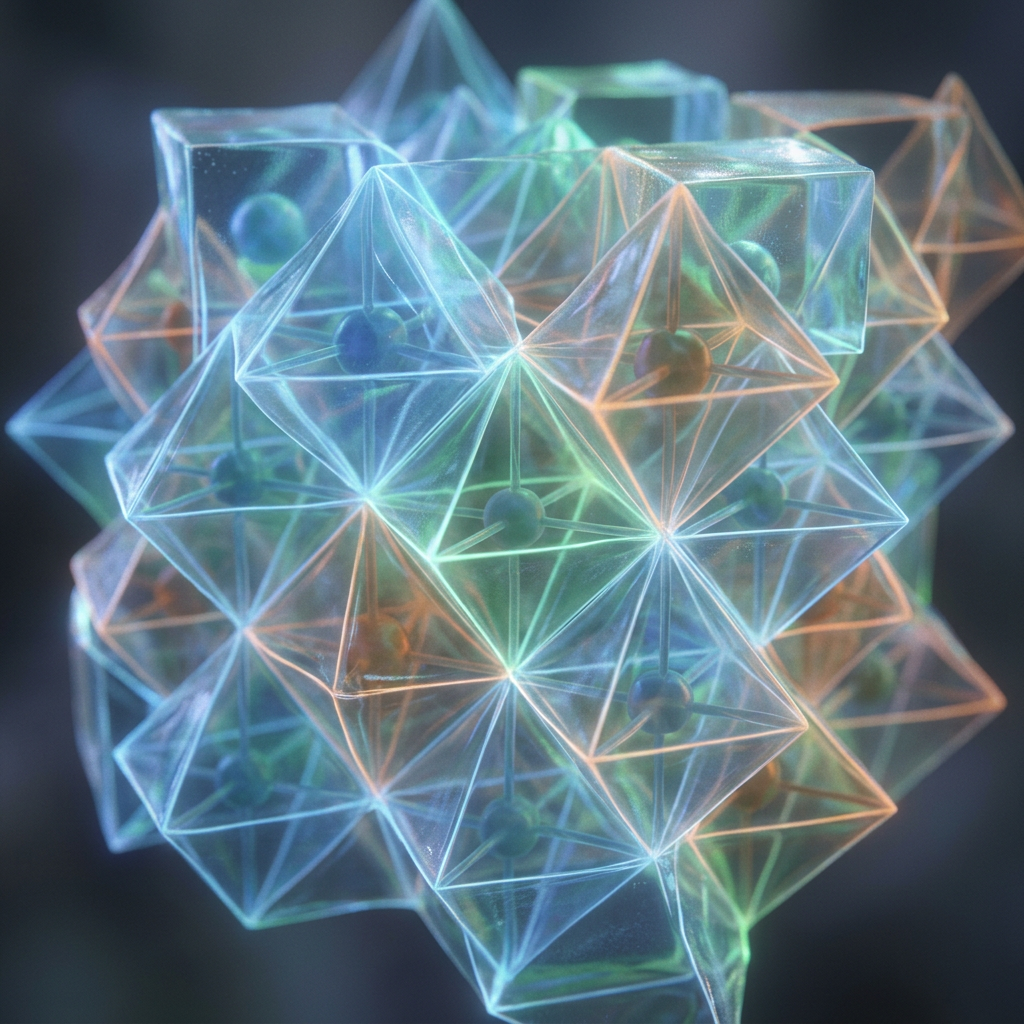
Perovskites are special because of their crystal structure. This structure allows them to turn sunlight into electricity efficiently. Perovskite solar cells can be made using cheaper methods than silicon solar cells. They also require layers to work but they can still produce a lot of electricity.
One way to make perovskite solar cells is by using a method called vacuum deposition. This method is good because it does not require any chemicals. However it can create defects in the crystals that make up the cell. These defects can reduce the performance and lifespan of the cell.
New Process
To fix this problem the researchers added a material called formamidinium acetate to the vacuum deposition process. This material changes the way the perovskite crystals form. By forming randomly the crystals grow in a more orderly way. This results in solar cells with fewer defects and better performance.
The researchers also found that the formamidinium acetate helps to reduce the number of defects in the crystals. These defects can waste energy. Reduce the efficiency of the solar cell. By reducing these defects the new process makes solar cells that are more efficient.
Record Efficiency
The researchers made perovskite solar cells using the method and tested them. The results were very good. The solar cells were able to turn 25.53% of the sunlight they received into electricity. This is one of the efficiencies ever reported for perovskite solar cells made using vacuum deposition.
The solar cells also performed well in terms of stability. After 1,000 hours of use they still retained more than 95% of their original efficiency. This is important because perovskite solar cells need to be able to last for a time if they are going to be used commercially.
Future Outlook
The new method of making solar cells is a big step forward. It shows that perovskite solar cells can be made using methods that’re compatible with large-scale manufacturing. Because vacuum deposition is already used in the electronics industry it could be easy to integrate this method into existing manufacturing facilities.
The researchers think that their method could also be used to make types of perovskite solar cells. This could lead to more efficient and longer-lasting solar cells. As the demand for energy continues to grow, perovskite solar cells could become an important part of our renewable energy systems. They could provide a more efficient alternative to traditional silicon solar cells.