Last Updated on July 11, 2026 by Staff
Plastic pollution is a problem for marine ecosystems. Animals often think plastic is food or they get trapped in it. Scientists have found another problem with plastic pollution. Plastic debris that floats on the water can carry life to new places. This can be bad for the environment.
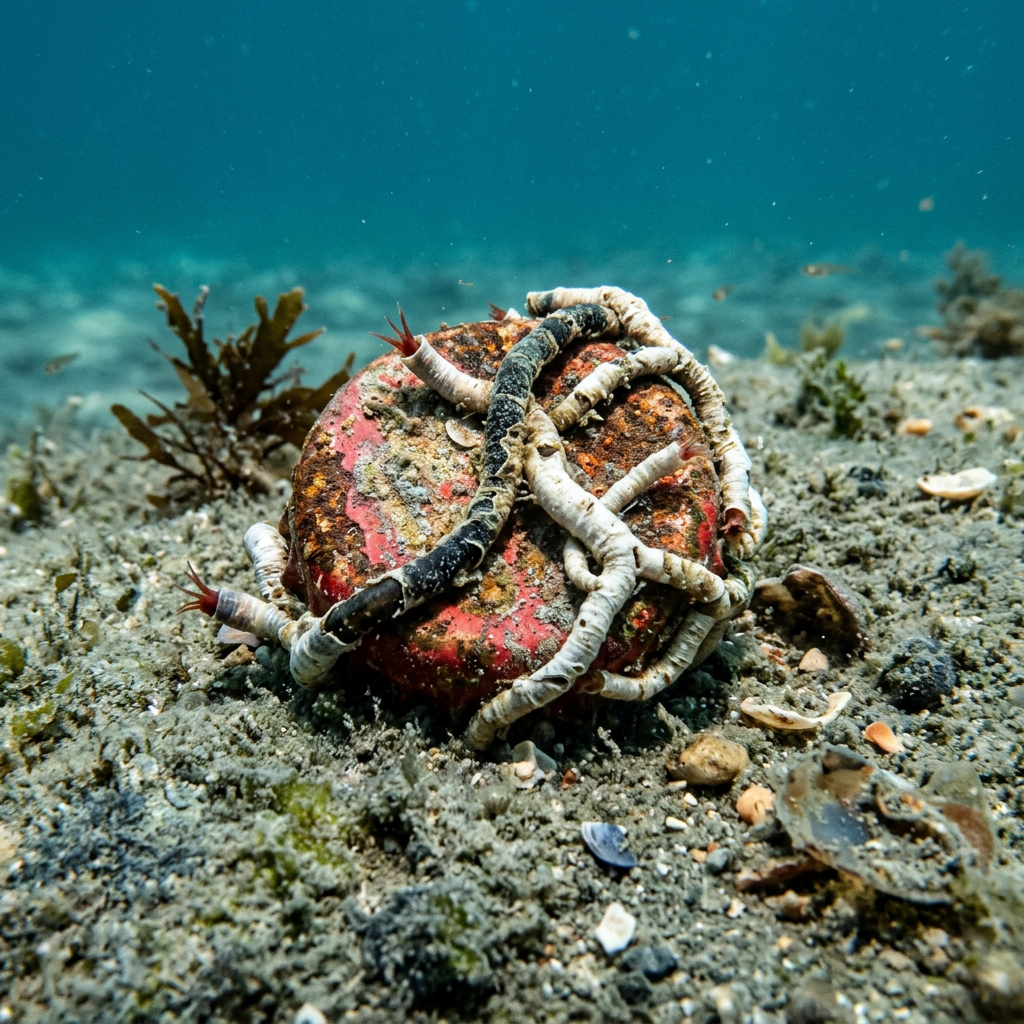
A new study in the Marine Pollution Bulletin found that a plastic bottle cap that was thrown away traveled a way across the Pacific Ocean. It carried more than 300 living organisms with it. The scientists used biology, chemistry and computer simulations to figure out where the bottle cap came from. They found that it started in the Philippines and ended up in southern Japan.
This study shows that even small pieces of plastic can be homes for life. This can lead to problems like invasions and loss of biodiversity.
Floating Habitat
The bottle cap was found near Japan. At first it just looked like trash.. When the scientists looked closer they found that it had a lot of different organisms living on and inside it. There were 307 organisms from nine different groups. These included worms, bryozoans and other marine animals.
Most of the organisms were worms that built tubes around themselves. This made the plastic a stable home for them. It showed that even small pieces of plastic can support a lot of life for a time.
Worm Built Shelter
One of the organisms on the bottle cap was a worm. It built a nest that made the bottle cap a home for other organisms. This worm was like an ecosystem engineer because it changed its environment to help other animals.
The scientists found some species inside the worm’s nest that do not normally live in Japanese waters. This means that floating plastic can carry species to places without us noticing. This can lead to problems for the environment.
Tracking The Journey
The scientists used three methods to figure out where the bottle cap came from. First they looked at the organisms on the plastic. Some of these organisms normally live on the seabed while others live on floating objects. This meant that the bottle cap had traveled through marine environments.
Next the scientists looked at the shells of organisms called foraminifera. These organisms record the water temperature as they grow their shells. The scientists found that these organisms had lived in waters before they ended up in Japan.
Finally the scientists used computer models to simulate the ocean currents. They found that the bottle cap probably came from the Philippines and traveled to Japan on the Kuroshio Current. The journey took at least 70 days but it could have taken longer.
More Than Pollution
This study shows that plastic pollution is not a problem because it is trash. Plastic stays on the surface of the ocean for a time, which gives organisms time to survive and grow. When organisms like worms build homes on plastic they can support other species. This means that entire communities of organisms can travel across the ocean together.
This can lead to problems when these organisms arrive in habitats. They can become species and change the local environment.
Future Challenges
The scientists think that plastic pollution should be seen as a problem that can carry species to places. They want to do research to find out how often this happens and what happens when these species arrive in new environments.
The study also shows that combining biology, chemistry and computer modeling can help us understand how marine debris travels. As plastic pollution gets worse it will be important to understand how it affects the environment. Even small pieces of plastic like a bottle cap can have an impact on the environment.