Last Updated on May 12, 2026 by Staff
Premenstrual disorders like PMS and PMDD affect millions of women. These conditions cause physical symptoms before menstruation including mood swings, anxiety and depression.
Now a major study involving more than 3 million women has found that premenstrual disorders and mental health conditions are deeply connected.
Researchers found that women with conditions like depression, anxiety, ADHD and bipolar disorder were much more likely to develop a premenstrual disorder. At the time women with PMS or PMDD also faced a higher risk of developing mental health problems.
The findings suggest that hormonal and psychiatric health may influence each other strongly.
Mood
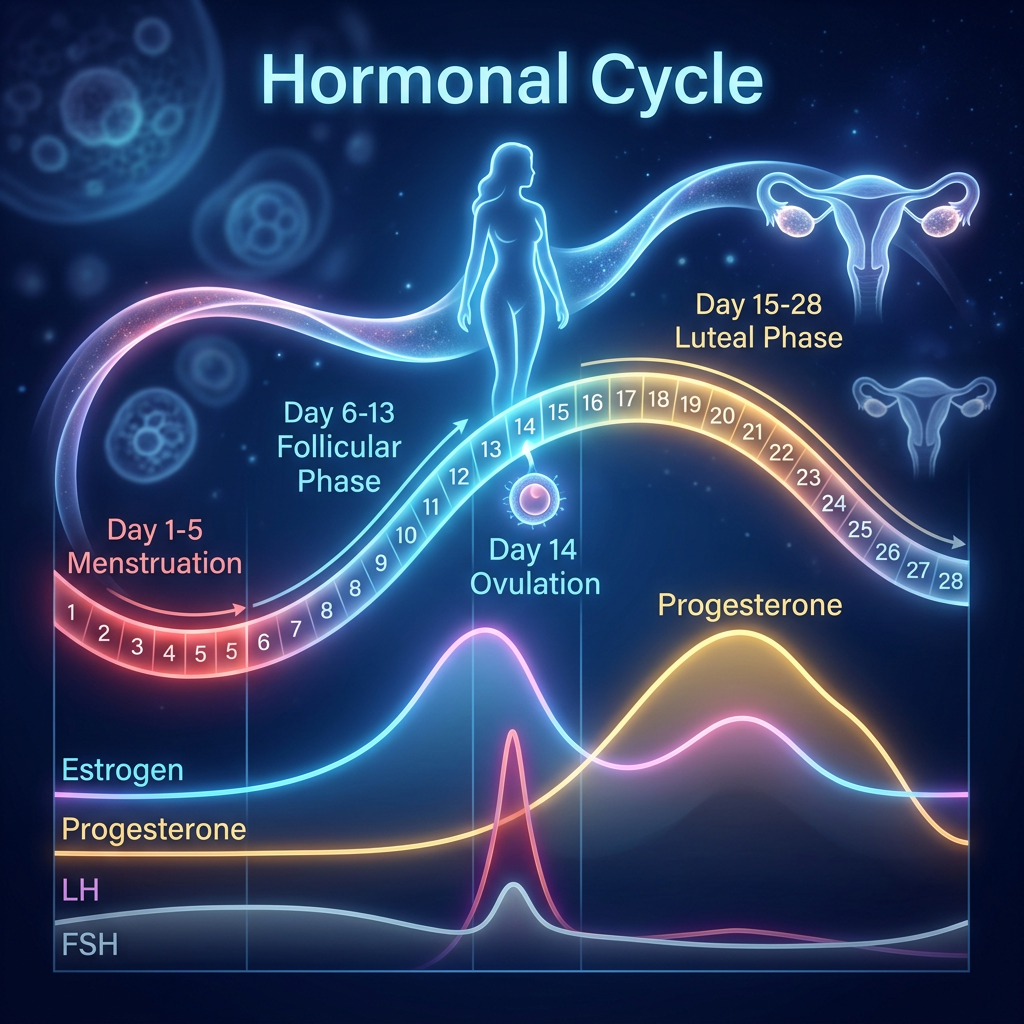
Hormones like estrogen and progesterone rise and fall during the menstrual cycle. For women these changes cause little disruption. However in women with disorders the brain reacts differently.
Scientists believe this sensitivity affects brain chemicals like serotonin, dopamine and GABA. These chemicals help regulate mood, emotions, focus and stress responses.
Symptoms of PMDD can be severe. Many women experience emotional distress during the luteal phase of the menstrual cycle. These symptoms can interfere with work, relationships, sleep and daily life. In some cases PMDD has also been linked to thoughts.
The Swedish Study
Researchers analyzed 22 years of data from Sweden’s national health registers. The study included 3.6 million women.
The results showed a bidirectional association between premenstrual disorders and mental health conditions.
Women with mental health conditions were around twice as likely to develop PMS or PMDD. Women diagnosed with disorders were also roughly twice as likely to experience psychiatric disorders.
The strongest connections were seen with depression, anxiety disorders, ADHD, bipolar disorder and personality disorders.
Beyond Genetics
Family comparisons showed that genetics and shared upbringing contributed to the relationship between psychiatric conditions. However, these factors could not fully explain the link.
Researchers believe shared biological mechanisms may be responsible.
A Need for Better Care
The study highlights the importance of developing personalized and cycle-aware health care for women.
Doctors and mental health professionals may need to pay attention to hormonal patterns when diagnosing or treating psychiatric conditions. Women experiencing PMS or PMDD symptoms may benefit from mental health screening and support earlier in life.
The findings also send a message: premenstrual disorders are not simply mood changes tied to periods. For women they may reflect deeper interactions, between hormones, the brain and long-term mental health.