Last Updated on May 8, 2026 by Staff
A new study found that the United States has had much higher death rates than other rich countries for over 20 years. Cardiovascular disease is the contributor to this growing gap in deaths.
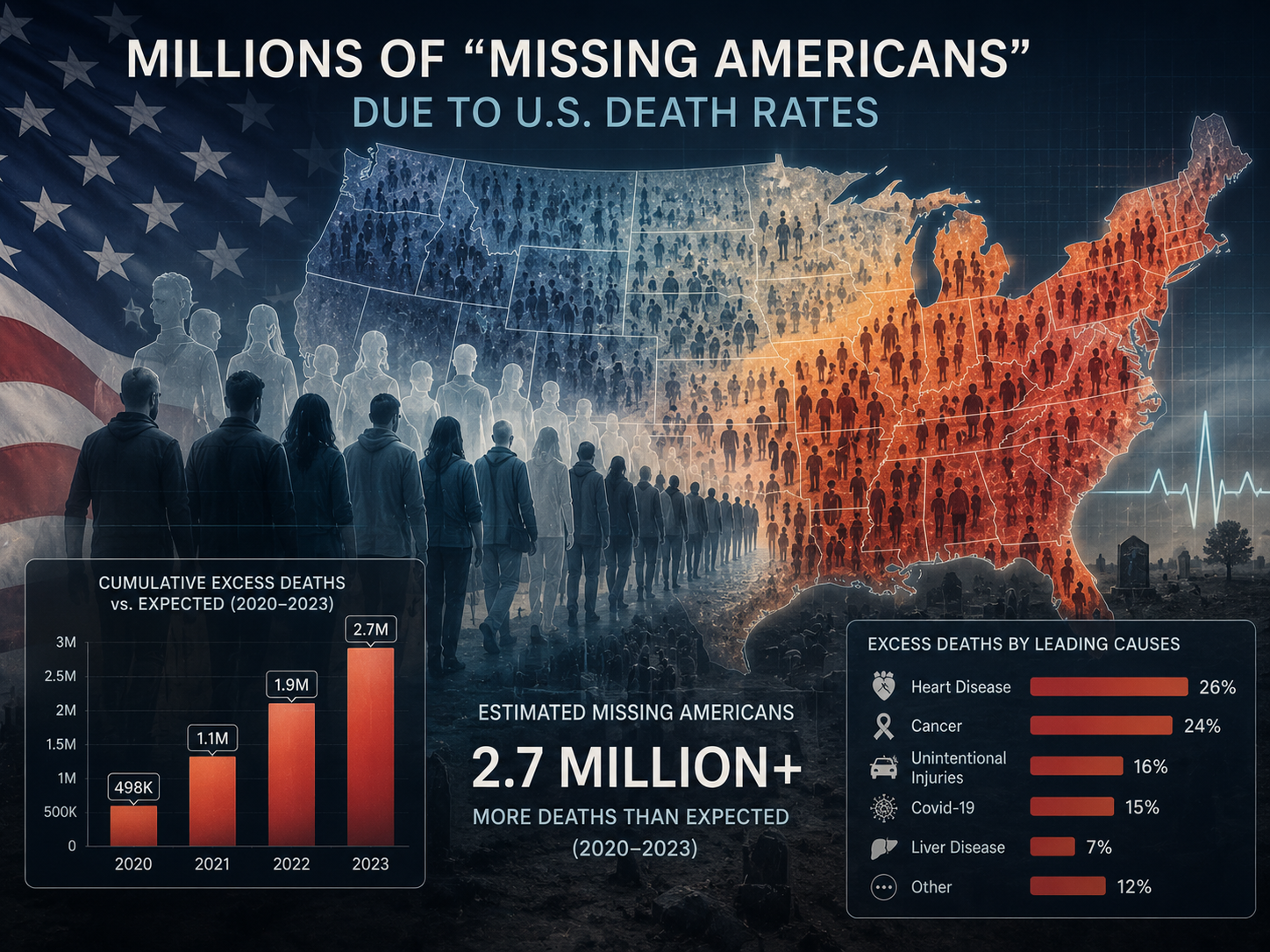
The research, published in JAMA Network Open estimates that around 12.7 million American deaths between 1999 and 2022 could have been avoided, if the United States had death rates to those in other high-income countries.
These avoidable deaths are called Americans and they show the huge human cost of the nation’s worsening health crisis.
The study was led by scientists from Boston University School of Public Health. They compared US mortality data with 17 wealthy countries, including Canada, France, Japan, Australia and the United Kingdom.
The Biggest Killer
The researchers found that cardiovascular diseases, including heart disease, stroke and high blood pressure were the leading cause of deaths in the United States during almost every year of the study.
Even though the US has access to medical technologies and treatments, death rates from heart-related diseases remained much higher than in comparable nations.
By 2022, cardiovascular and metabolic conditions together accounted for more than half of all extra deaths in the country.
Researchers say the findings challenge the idea that America’s mortality crisis is driven by drug overdoses and suicides. Chronic diseases linked to heart health, obesity, diabetes and metabolism are responsible for a larger share of deaths.
The study also found that after some improvement during the 2000s cardiovascular deaths began rising sharply again after 2010 and continued climbing through the COVID-19 pandemic years.
The Role of Drugs and Alcohol
Drug poisonings, alcohol-related diseases and suicides also played a role in the mortality gap especially among younger Americans and men.
The rise in deaths became particularly severe after 2013, when fentanyl entered the US drug supply in large numbers. By 2022 drug poisonings accounted for more than 130,000 extra deaths compared to peer countries.
Although overdose deaths represented a portion of total extra deaths than cardiovascular diseases, researchers note that they caused enormous societal damage because they often involved younger people.
The study found that homicide and HIV/AIDS rates were also significantly higher in the United States than in wealthy nations though these causes represented a smaller overall share of extra deaths.
A Population Autopsy
Researchers described the study as a kind of population autopsy because it examined the causes behind America’s worsening mortality disadvantage.
By only looking at overall death rates the scientists analyzed which diseases and conditions were most responsible for the growing gap between the US and other high-income nations.
The research team studied 63.5 million deaths recorded between 1999 and 2022 using data from the World Health Organization mortality database.
They compared mortality rates across countries by age, sex and cause of death. Researchers also measured years of life lost and mortality risk ratios to understand the scale of the crisis.
Their findings suggest that social economic and behavioral factors in the United States may be increasing the risk of developing illnesses and fatal health conditions.
Diseases of Aging
The study also found increases in Alzheimer’s disease and related dementias especially among older adults. Among Americans aged 85 and older dementia-related conditions became one of the leading contributors to mortality by 2022.
Researchers observed rises in diabetes, kidney disease and metabolic disorders after 2010 as well. Respiratory illnesses and transportation accidents also contributed significantly to the US mortality gap.
COVID-19 further intensified the crisis between 2020 and 2022. During the two pandemic years the virus accounted for roughly one in five extra deaths in the United States compared with peer countries.
Some Areas of Progress
Despite the findings the United States performed better in a few health categories.
The study found excess death rates for several cancers, excluding lung cancer, as well as influenza.
Researchers believe this may partly reflect advances in cancer screening, diagnosis and treatment within the US health care system. Still the overall mortality gap continued growing because improvements in some areas were outweighed by worsening outcomes in cardiometabolic diseases, overdoses and other chronic conditions.
Calls for Policy Change
The researchers say the findings highlight the need for policies addressing the root causes of poor health in the United States.
They argue that access to medical technology alone is not enough to improve national mortality rates. Other wealthy countries with even lower levels of medical innovation still achieve far better health outcomes.
The study suggests that broader social and economic policies—including those affecting food systems, public health, addiction treatment, mental health care and preventive medicine—could help reduce the growing mortality gap.
Researchers also point to treatments such as GLP-1 drugs for obesity and diabetes as potentially important tools for reducing cardiometabolic deaths, in the future.
Ultimately, the study paints a picture of American health over the past two decades. While medical progress has saved lives, millions of deaths may still have been prevented through stronger public health systems, earlier interventions and better long-term health policies.