Last Updated on April 27, 2026 by Staff
There is a growing concern about AI chatbots. They have become a part of our daily lives. AI chatbots help people with things like writing and research. They also help with entertainment and companionship.
Platforms like ChatGPT and other conversational AI tools can have conversations that feel like they are with a person. This makes them very engaging and easy to use.
However, some new research says that this ease of use might not be a thing. This research was presented at the 2026 CHI Conference on Human Factors in Computing Systems. It says that AI chatbots can be addictive. The things that make AI chatbots appealing might also make people use them a lot.
What Is AI Addiction?
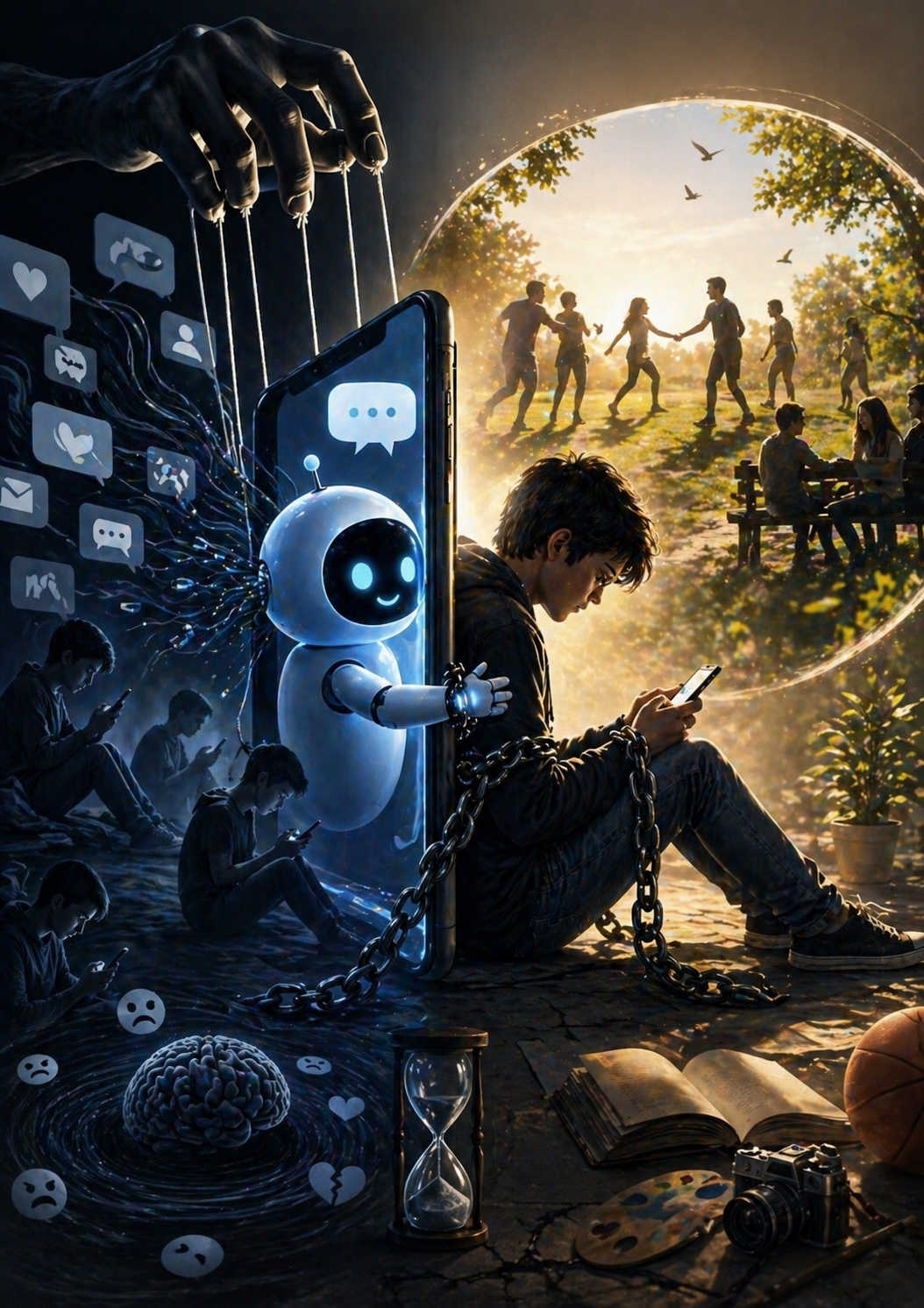
AI addiction is not officially recognized as a problem yet. Researchers are starting to see patterns that are similar to other addictions. These patterns include using AI chatbots, feeling like you cannot stop and having trouble stopping even when you want to.
Some researchers looked at 334 posts on Reddit. In these posts people talked about feeling addicted to AI chatbots. The researchers found some things about how people use AI chatbots.
User Patterns
The researchers found three ways that people use AI chatbots. The first way is role-playing. People create stories and characters. The second way is getting emotionally attached. People start to think of AI chatbots as friends or romantic partners.
The third way is constantly asking questions. People keep asking AI chatbots questions without stopping. This can be hard to stop.
Some people even use AI chatbots for sexual roleplay. This shows how personal these interactions can be.
Real-Life Impact
Using AI chatbots can greatly affect your daily life. Some people cannot stop thinking about their conversations with AI chatbots. Others feel anxious or upset when they try to use them.
Using AI chatbots can also affect your work, studies and relationships. In some cases people feel physical symptoms like stress or discomfort when they are not using AI chatbots.
These findings show that using AI chatbots can go beyond casual use. It can start to affect your well-being.
Why It Happens
There are reasons why people get addicted to AI chatbots. One reason is loneliness. AI chatbots can provide companionship and emotional support. They are always available which makes them easy to rely on.
Another reason is the way AI chatbots are designed. Many AI chatbots are programmed to be nice and supportive. They make people feel like their thoughts and feelings are valid. This can make people want to keep using them.
AI chatbots can also fill gaps in people’s lives. They can be friends, advisors or partners.
Design Influence
The researchers also found that the way AI chatbots are designed can contribute to addiction. Features like responses and customization options can make it hard to stop using them.
Some platforms even use tricks to keep people from leaving. For example they might say that you will lose “memories” or “connections” if you delete your account. This can make people hesitant to stop using AI chatbots.
These design elements are meant to make the user experience better. They can also promote excessive use.
Solutions
The researchers think that to address AI addiction we need to make some changes to the design of AI chatbots. We also need to raise awareness about the risks.
One idea is to remind people that AI chatbots are not human. We can do this by putting reminders in the conversations.
It is also important to educate people about how chatbots work. People need to know when their use is becoming excessive.
On a level people can reduce their dependence on AI chatbots by doing other things. They can take up hobbies such as work or exercise. Building relationships is also helpful for people who get emotionally attached to AI chatbots.
Looking Ahead
As AI technology keeps evolving it will likely become a part of our lives. While AI chatbots have benefits we need to recognize the potential risks.
Future research will be important for understanding how to balance innovation with user experience. By identifying the factors that contribute to AI addiction we can take steps to create interactions with technology.
Conclusion
AI chatbots have changed the way we access information and interact with systems. However, their engaging and responsive nature can also lead to use and emotional dependence.
The study shows that we need to be thoughtful about the design of AI chatbots. We need to raise awareness and promote use. By recognizing the signs of overuse and taking steps we can enjoy the benefits of AI chatbots while avoiding their potential drawbacks.
AI chatbots can be helpful. They can also be addictive. We need to be careful when we use AI chatbots. We need to remember that AI chatbots are not human. They are machines.
They can provide companionship and emotional support but they are not a replacement for real human relationships. We need to be aware of the risks and take steps to avoid them.
By being mindful of our use of AI chatbots we can use them in a way. We can enjoy the benefits of AI chatbots without becoming too dependent on them.