Last Updated on May 28, 2026 by Staff
Scientists found evidence that the immune system may be one of the main reasons people have long COVID symptoms. A study done by researchers at Mount Sinai and Yale University shows that the body’s immune system may keep attacking parts of the body even after the COVID-19 infection is gone.
The study, which was published in the journal Cell, could help doctors understand why many people still have symptoms like fatigue, chronic pain, brain fog and heart problems months or years after they got COVID-19.
The researchers think this discovery could lead to treatments for patients whose symptoms are caused by their immune system not working right.
Immune System Turns Harmful
Long COVID affects a lot of people who get COVID-19. Symptoms include feeling very tired, having memory problems, muscle pain, joint pain, dizziness and a fast heartbeat.
Scientists already thought that many different things might cause COVID. These things include the virus still being in the body, other viruses like herpesviruses becoming active again and the immune system causing inflammation.
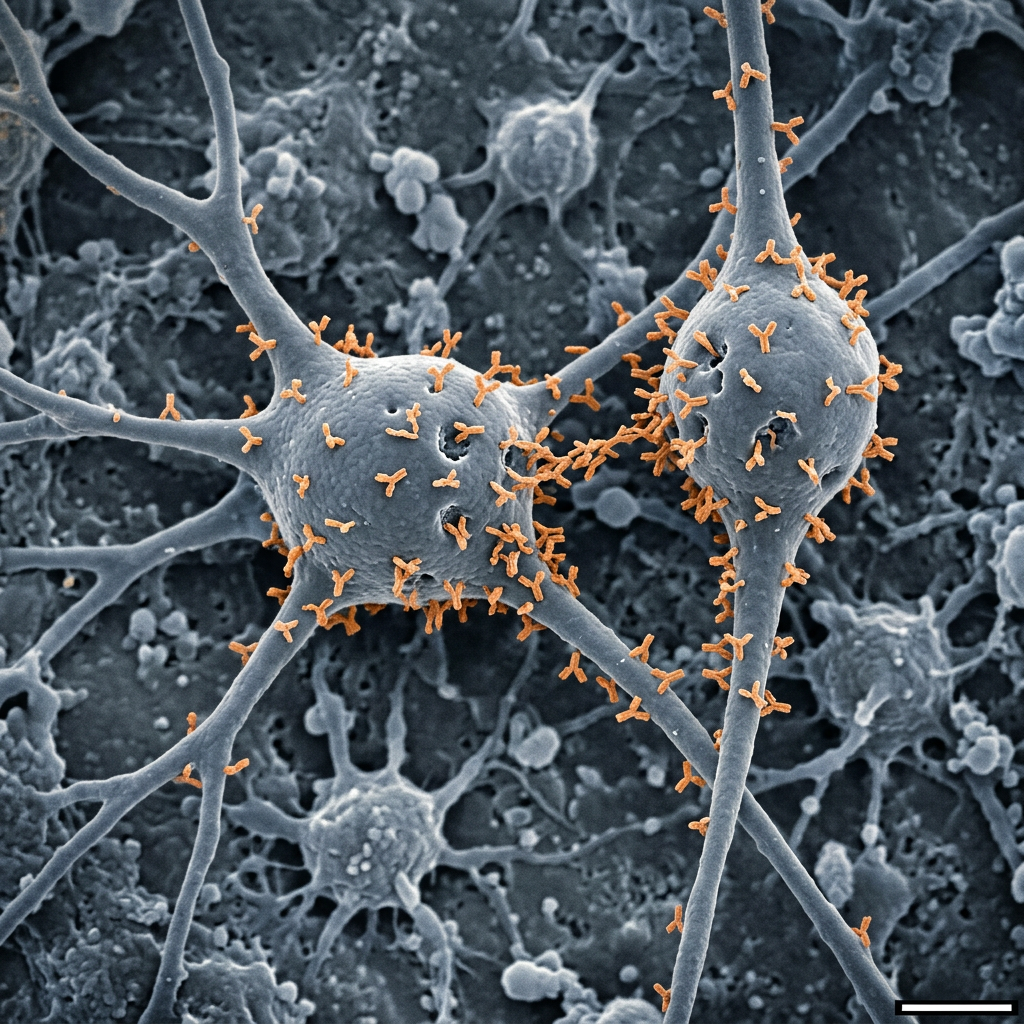
The new study shows that the immune system attacking the body’s cells and tissues which is called autoimmunity plays a big role in long COVID for some people.
This happens when the immune system mistakes the body’s cells and tissues for infections and attacks them.
Dr. David Putrino from Mount Sinai says the study shows that long COVID is not one condition but many different conditions and autoimmunity is a major reason for symptoms in many cases.
Mouse Experiments Reveal Clues
To see how the immune system affects COVID researchers took antibodies from 87 people with long COVID. Antibodies are proteins that the immune system makes to fight infections.
Then they put these antibodies into mice. The results were very interesting.
Mice that got antibodies from patients who had pain started to show signs of pain themselves. This means that some bad antibodies in people with COVID might be causing their physical symptoms.
The researchers think that new chronic pain is one of the signs that a patient’s symptoms might be caused by their immune system.
This could help doctors figure out which patients with COVID would benefit from treatments that target the immune system.
Possible New Treatments
The discovery also explains why some treatments that affect the system have worked well for some people with long COVID, but not for others.
One treatment is called immunoglobulin, which uses healthy antibodies from donors to calm the immune system. Another treatment uses FcRn inhibitors, which help get rid of antibodies.
Some people with COVID get a lot better with these treatments but others do not get better at all. The researchers think this might be because the bad antibodies are causing the symptoms in some people but not in others.
The researchers are also looking at treatments, like CAR-T cell therapy, which could change the immune cells to target the cells that make bad antibodies.
Another possible treatment is plasmapheresis, which removes antibodies from the blood.
If doctors can find out which patients have long COVID caused by their system they might be able to give them the right treatment.
Public Health Concerns
The study also raises questions about blood donations.
The researchers warn that people with COVID might have bad antibodies in their blood, which could be a problem for people who get their blood.
In the United Kingdom people with COVID are not allowed to donate blood but in the United States this is not always the case.
The researchers think more studies need to be done to see if blood donations from people with COVID could be a problem for others.
The study shows how much we still do not know about the long-term effects of COVID-19 and how the immune system affects illness.
The researchers hope this discovery will lead to studies and better treatments for people with long COVID all around the world.
This is a step forward in understanding long COVID and gives new hope to people who are still looking for answers and effective treatment for long COVID.