Last Updated on May 15, 2026 by Staff
Climate change is not just bad for the environment and our economy. It is also causing a social problem. Researchers from the University of Sydney found that climate change is making it harder for people to connect with each other. This is a problem because we rely on our friends and family to help us during times.
A new study in Nature Human Behaviour says that climate change is reducing connections between people all over the world. This creates a cycle where it’s harder for people to recover from disasters and deal with climate problems.
According to Dr. Marlee Bower from the Matilda Center for Research in Mental Health and Substance use climate change is affecting our lives in many ways. Climate change is not just hurting the environment, it’s also changing how we interact with each other.
Daily Disruption
The research shows that climate change is reducing opportunities for people to meet and interact. Heat waves, bad air quality and extreme weather are keeping people indoors. This limits access to parks, community spaces and outdoor activities.
Disruptions to schools, workplaces and transportation systems make it harder for people to maintain relationships. Evidence from China and Tuvalu shows that climate-related stress can reduce activity and increase depression.
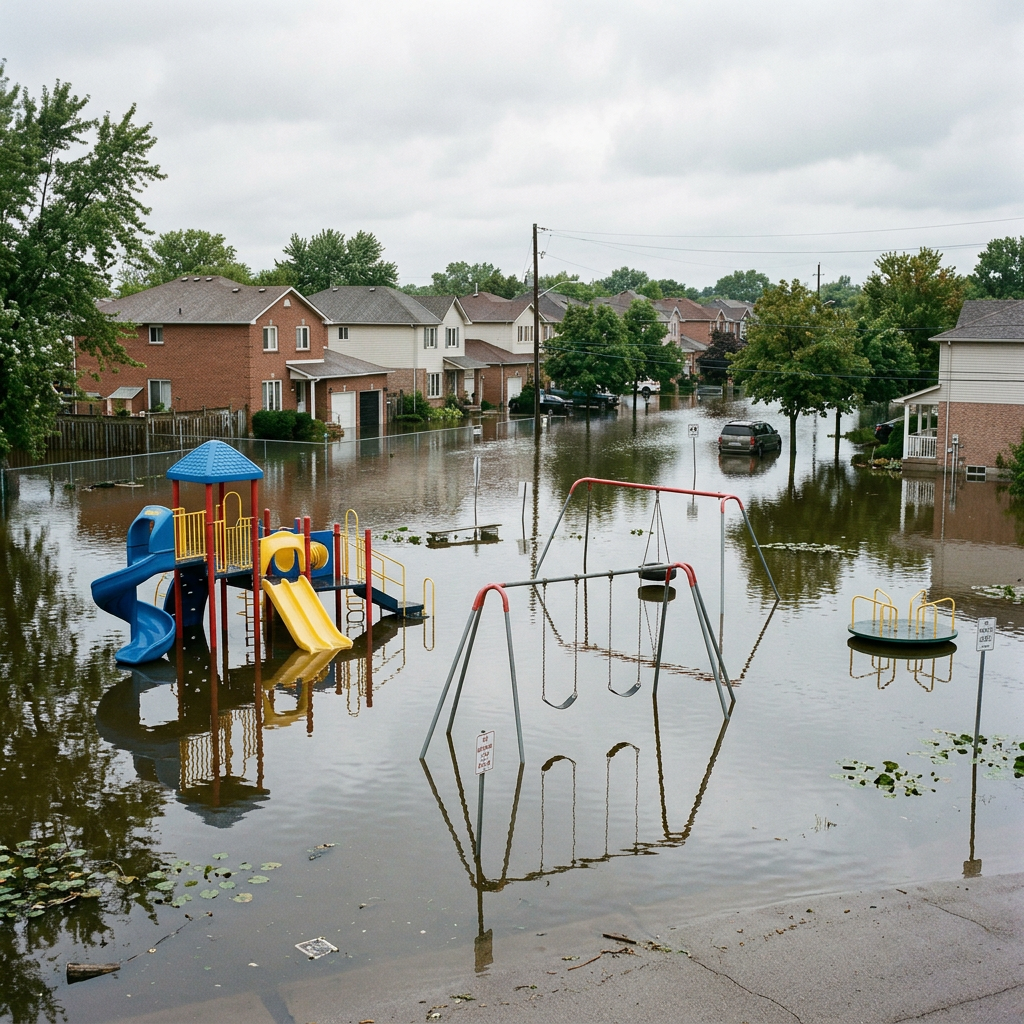
Natural disasters like floods, cyclones and bushfires damage homes and destroy spaces. This leaves communities emotionally and socially fractured.
Unequal Burden
The study found that climate-related social isolation affects groups the most. People living on incomes individuals with disabilities and marginalized communities are more exposed to climate risks.
These individuals are more vulnerable to climate disasters and less likely to receive financial support during recovery.
Survival Matters
Strong social connections play a role in determining how communities respond to climate disasters. People with support networks are more likely to survive emergencies and recover more effectively.
The study points to the 2021 British Columbia Heat Dome in Canada. People suffering from schizophrenia, a group likely to experience social isolation accounted for around 8% of heat-related deaths.
Policy Changes
Despite its importance, social health is still largely ignored in climate policy. Governments often invest heavily in emergency response systems and physical infrastructure.
Researchers argue that social connection should now be treated as climate infrastructure. They believe urban planning, transportation systems, housing projects and public spaces should all be designed to strengthen community interaction and trust.
Dr. Bower warned that climate policy will fail if leaders continue treating climate change as a scientific or technical challenge. Building social connections may become just as important as building stronger roads, buildings and flood barriers.
Ultimately the study shows that connected communities are more resilient during climate disasters. As global warming continues to reshape societies, protecting health could become one of the most important tools for helping communities survive and recover in the future.