Last Updated on May 24, 2026 by Staff
Modern families often have step-siblings adopted kids or partners from relationships living together. These blended households or patchwork families are usually seen as a thing. A new study says that such family systems already existed over 5,000 years ago during the Neolithic period in Central Europe.
Researchers from Kiel University and other places analyzed human DNA from big stone burial sites. They found out that many people buried together were not related by blood. Their findings, published in Science challenge ideas about prehistoric communities. They show that early farming societies had a flexible social structure.
Ancient Stone Tombs
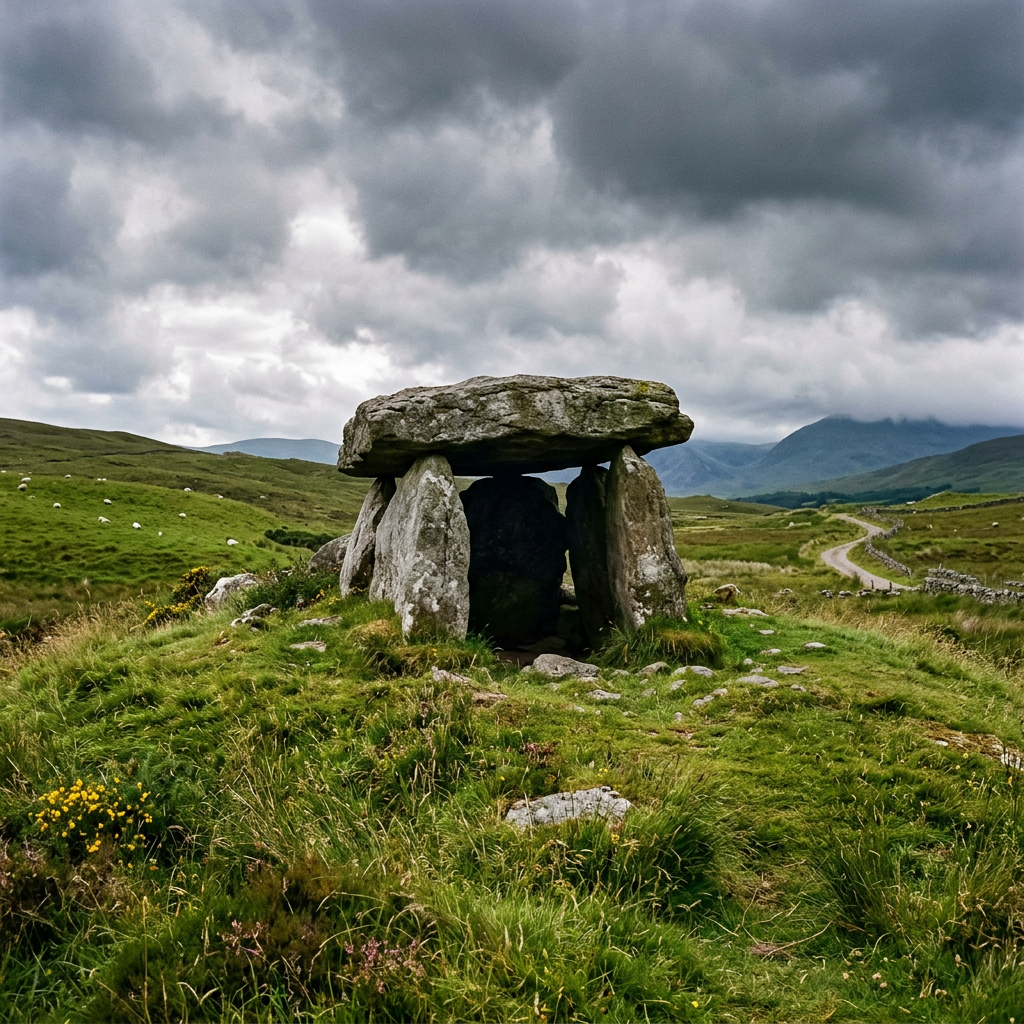
The Neolithic period was a turning point in human history. People shifted from hunting and gathering to farming and livestock breeding. Communities settled down. Built massive stone burial chambers called megalithic tombs.
These huge stone monuments were built across Europe between 3600 and 2800 BCE. Archaeologists are fascinated by these structures and the people who built them.
Scientists wanted to know who these individuals were, how they lived and if people buried together were part of the biological family. The new research aimed to answer these questions using DNA analysis.
DNA Unlocks Secrets
The research team looked at material from 203 Neolithic individuals buried mainly in megalithic tombs in present-day Germany.
By studying the DNA researchers found out family relationships, where people came from and how they moved between communities. The results surprised them.
Many individuals buried in the tomb had no close biological relationship. This suggests that social bonds were just as important as blood ties when deciding who belonged to a burial community.
These tombs likely represented social groups, not just simple nuclear families. This is different from findings in Ireland and Sweden where megalithic tombs often had biological relatives.
The findings indicate that Neolithic communities may have had family structures to today’s blended or patchwork families.
Long-Distance Mobility
The study also showed that people during the period traveled far.
One example was a man from a tomb in Sorsum. His biological father was buried 250 kilometers away in another tomb.
This means that close relatives could live and die hundreds of kilometers apart.
The study also showed that women and girls moved a lot. They may have moved between communities through marriage, trade or social alliances.
These discoveries challenge theories that prehistoric farming communities lived isolated lives with limited movement.
Cultural Connections
Another important finding was about the spread of architecture across Europe.
The researchers compared DNA from Wartberg communities with data from other Western European populations. They found that these groups were not closely related genetically.
This suggests that the idea of building stone monuments spread through cultural exchange not through large-scale migration.
Rethinking Prehistory
The findings paint a picture of life in Neolithic Europe.
Communities appear to have been socially flexible, mobile and culturally connected. Family structures may have included individuals living and being buried together based on social ties.
Researchers believe that as ancient DNA becomes available our understanding of prehistoric societies will evolve. The study shows that concepts like families, long-distance travel and cultural exchange have deep roots in human history.
The research also highlights the growing power of science in archaeology. By combining DNA analysis with evidence scientists can now reconstruct aspects of prehistoric life.
Ultimately the discovery reveals that human societies thousands of years ago may have been more socially complex and diverse than previously believed.
Leave a Reply